What is CRM and Why Your Business Needs It?
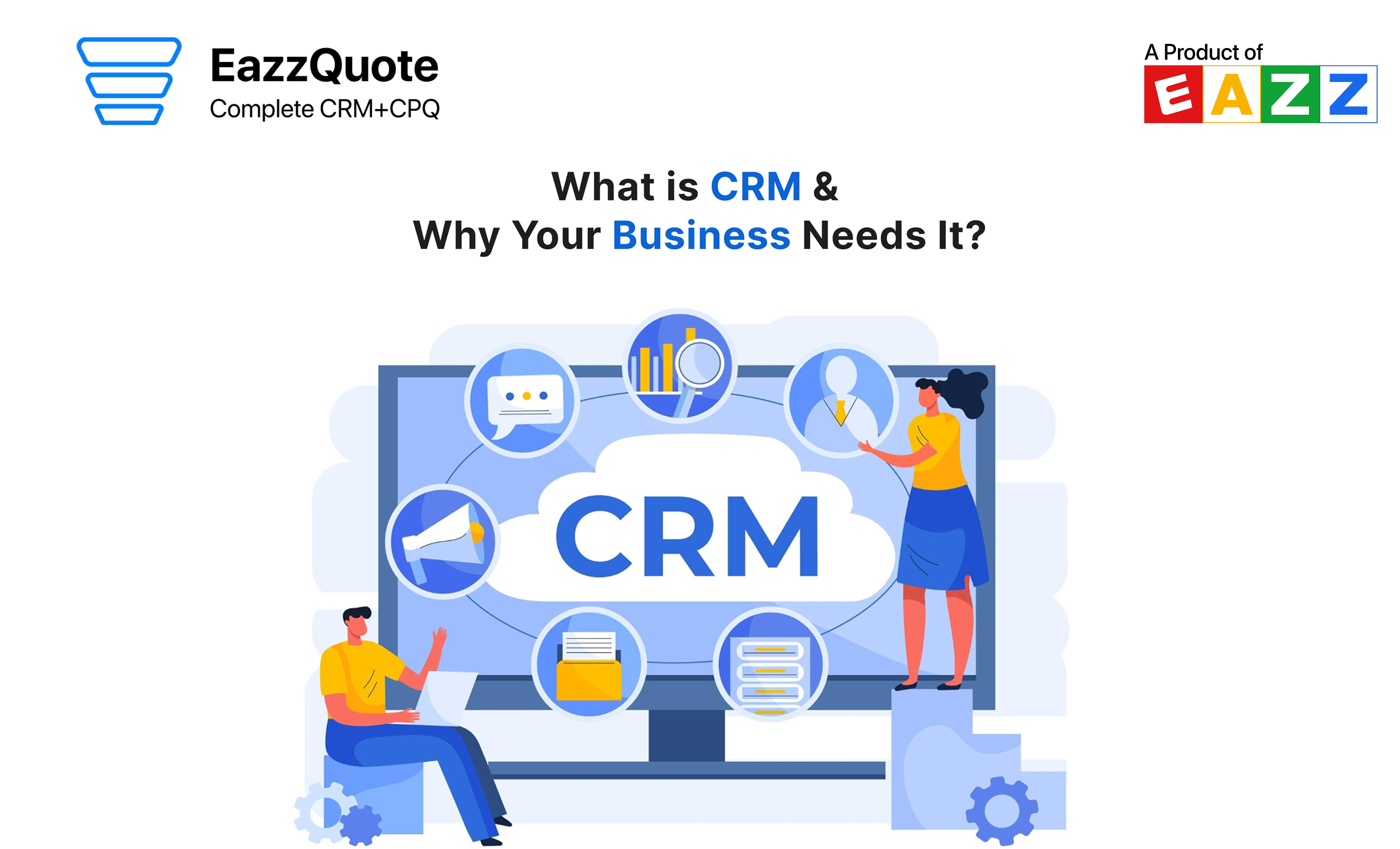
What is CRM?
CRM stands for Customer Relationship Management. It’s both a strategy and a software solution that helps businesses manage interactions with existing customers and potential leads. By centralizing customer information, CRM enables sales, marketing, and support teams to collaborate effectively, ensuring a seamless customer experience.
Why is CRM Important?
Without a structured system, customer data often gets scattered across spreadsheets, emails, and multiple tools, leading to miscommunication, missed opportunities, and poor customer service. A CRM system addresses these challenges by centralizing data, streamlining processes, and enabling data-driven decisions.
Without CRM vs. With CRM
| Aspect | Without CRM | With CRM |
|---|---|---|
| Data Management | Scattered across spreadsheets and emails | Centralized customer data in one platform |
| Sales Efficiency | Manual follow-ups and tracking | Automated follow-ups and sales pipeline tracking |
| Customer Service | Slow and inconsistent responses | Fast, personalized solutions with full customer history |
| Decision Making | Limited insights and guesswork | Data-driven decisions with analytics and reporting |
| Team Collaboration | Siloed teams and miscommunication | Unified platform for sales, marketing, and support |
Key Features of CRM
- Contact & Lead Management: Store, organize, and track customer details.
- Sales Pipeline Tracking: Visualize opportunities and monitor deal progress.
- Marketing Automation: Run campaigns, track responses, and nurture leads.
- Workflow Automation: Reduce manual tasks with automation.
- Integration Capabilities: Connect with email, chat, ERP, and finance systems.
- Reporting & Analytics: Gain insights into sales, revenue, and customer behavior.
Benefits of Using CRM
- Increased Sales Efficiency: Close deals faster with streamlined processes.
- Better Team Collaboration: Unified platform for all teams.
- Stronger Customer Loyalty: Personalized experiences build trust.
- Enhanced Profitability: Optimize sales and reduce inefficiencies.
- Real-Time Business Insights: Make smarter decisions with analytics.
Key Statistics
Business Impact
- Companies using CRM report a 29% increase in sales revenue.
- CRM can improve customer retention by up to 27%.
Efficiency Gains
- Sales teams save an average of 5 hours per week with CRM automation.
- CRM reduces lead response time by up to 60%.
Final Thoughts
In today’s competitive market, a CRM system is essential for businesses aiming to stay ahead. By centralizing customer data, automating processes, and providing actionable insights, CRM empowers teams to deliver exceptional customer experiences and drive growth. If you’re ready to transform your business, a CRM solution is the way to go.